


How Nitrosamine Impurities Shape Drug Safety and Development
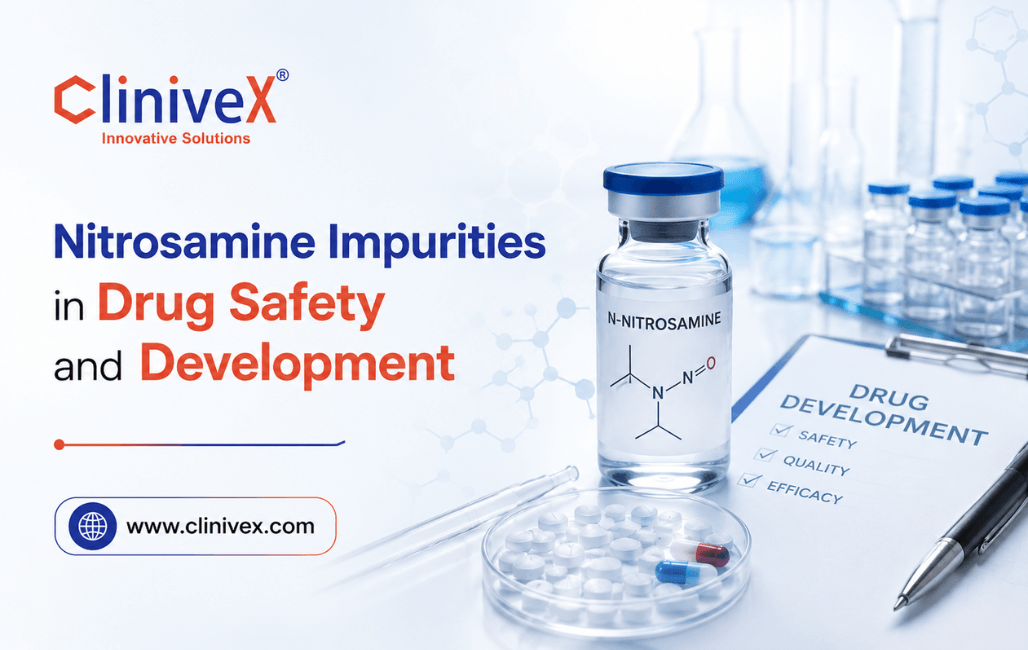

Modern drug manufacturing requires precise control over every step of the production process. Any kind of variation in this process allows unwanted risks to develop during manufacturing. So, managing the risks proactively is extremely crucial to protect patients and maintain product quality.
Implementing standardized testing protocols with certified nitrosamine impurity standards is very important to manage these unexpected production risks. These benchmarks give researchers a reliable framework to evaluate raw ingredients as well as improve manufacturing safety protocols. Companies can protect their products from unexpected quality problems and also avoid costly development delays by addressing these risks early in the process.
Using high-quality nitrosamine reference standards allows teams in the laboratory to identify and control trace contaminants throughout the production cycle easily. Moreover, in this blog, we will explore how nitrosamine impurities shape drug safety and development.
What Are Nitrosamine Impurities?
Nitrosamine impurities are chemical compounds that can develop during the production of pharmaceutical drugs. These compounds often originate from raw materials or manufacturing processes, and are considered as potential carcinogens, which means they may increase the risk of cancer. They are generally found in trace amounts, but even small quantities can pose significant health risks.
Because these contaminants are dangerous, they are strictly regulated, and pharmaceutical companies need to take precautions to ensure that their products are free of nitrosamine contamination. And to create safe and effective drugs, manufacturers must understand how nitrosamine impurities arise and are present.
The Role of Nitrosamine Impurities in Drug Safety
1. Calibrating Sensitive Testing Equipment
Laboratory teams can accurately calibrate their analytical instruments by establishing precise chemical benchmarks. They can easily separate minor impurities from complex chemical combinations by using validated nitrosamine standards. And due to this stringent screening procedure, every batch of medication is certain to be totally safe before it is delivered to the final consumer.
2. Standardizing Global Supply Chains
These specialized testing criteria provide a uniform baseline for regulatory compliance across the entire global supply chain. Quality control managers can rely on these strict benchmarks to evaluate raw materials when sourced from a reliable supplier. Because of a single, reliable metric, it becomes much easier to detect variations and keep manufacturing processes consistent.
3. Eliminating Analytical Guesswork
Using certified reference metrics removes any kind of blind assumptions from regular pharmaceutical quality checks. It gives manufacturing teams a clear target value to verify during their daily safety validations. This structured approach provides health authorities with strong evidence that a drug formulation meets all the required consumer protection laws.
4. Identifying Early Interaction Risks
Development teams can discover potential interaction concerns before full manufacturing starts by including known compound targets into their early research phases. Scientists usually use these standards to observe how vulnerable chemicals respond to various levels of heat and moisture. Early detection of these chemical vulnerabilities ensures that harmful components are eliminated from the final product.
5. Preserving Public Healthcare Trust
Maintaining strict testing practices is important for pharmaceutical companies to preserve public trust as well as display their genuine commitment towards patient care. This is because when a company systematically screens its products against established safety criteria, it ensures long-term product reliability. This continuous verification keeps everyday drugs dependable and fully aligned with all the modern healthcare safety regulations.
Solutions for Managing Nitrosamine Impurities in Drug Development
Early detection and consistent testing are very important to managing nitrosamine impurities in drug development. Pharmaceutical companies can precisely measure nitrosamine levels and ensure regulatory compliance by sourcing high-quality impurity reference materials from reputable suppliers.
Furthermore, the advancements in testing technology also provide new solutions for identifying and managing nitrosamine contamination. With the right kind of tools and knowledge, manufacturers can minimize all the contamination risks and also ensure the integrity of their products.
Conclusion
Pharmaceutical manufacturers should maintain precise quality control throughout their entire production lifecycle. This is why Clinivex always provides rigorously characterized nitrosamine impurity standards that meet the latest FDA, EMA, and ICH M7(R1) guidance requirements with complete traceability and also certified purity documentation.
related blog
Analytical Reference Standards: The Key Benchmarks to Support Method Validation & Calibration
Whenever a laboratory routinely tests new samples, it must prove that its testing procedures are...
The Role of Reference Standards Suppliers in Meeting Reagent Purity Standards
Chemical reagents are the hidden backbone of scientific research, manufacturing, and quality testing. Whether it...
Stable Isotope Labelled Standards: Investing in High-Purity Material for Modern Scientific Research
Science and technology are moving incredibly faster than ever before. Today, the researchers are discovering...