


The Role of Impurity Reference Standards in Ensuring Drug Safety
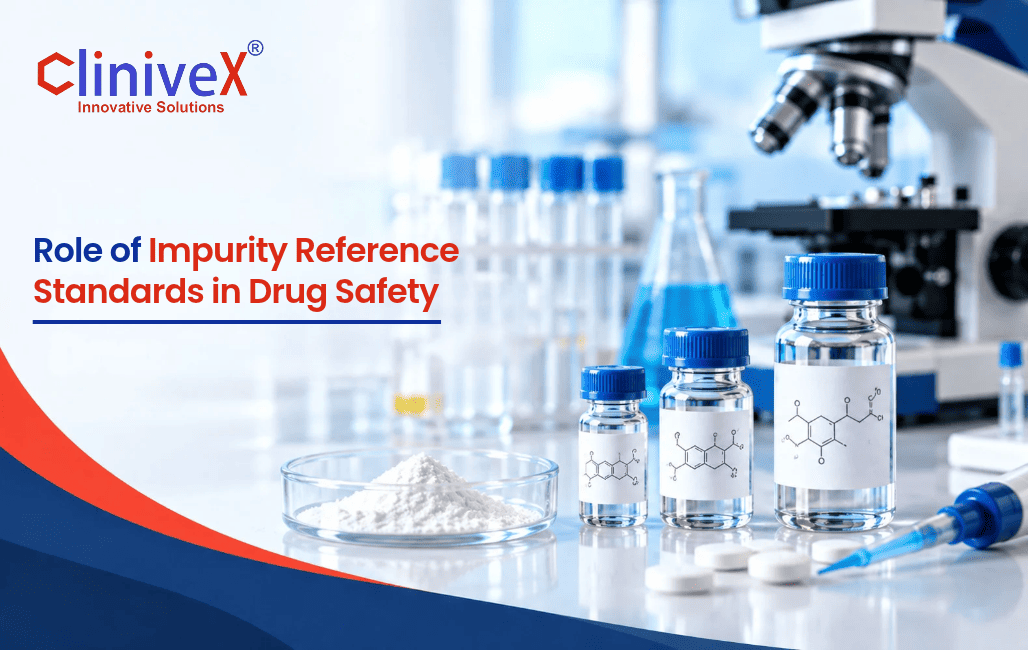

Patient health depends entirely on the purity of the treatments healthcare professionals prescribe every day. Ensuring drug safety requires rigorous testing at every stage of production to ensure no harmful elements remain. To achieve this level of quality control, the pharmaceutical industry relies heavily on drug impurity reference standards as strict benchmarks for purity.
Impurity reference standards are well-defined compounds mainly used to identify and quantify impurities in pharmaceutical substances. They play a very important role in ensuring drug safety. Without these standards, the risk of reduced efficacy and adverse effects increases significantly. So, before sourcing them from an impurity reference standards supplier, it is essential to understand their impact.
In this blog, we will explain the role of these standards in ensuring drug safety.
Why Identifying Impurities is Crucial
- Ensuring Drug Efficacy: Impurities can react with the active ingredients, sometimes preventing the medicine from working correctly or reducing its therapeutic effect entirely.
- Prevents Chemical Degradation: Certain hidden compounds speed up how quickly a drug spoils, shortening its shelf life and compromising stability during storage.
- Safeguarding Patient Health: Unintended chemicals left in a drug can be toxic or cause unexpected side effects. Identifying them early keeps patients safe from immediate and long-term health risks.
- Avoids Costly Production Delays: Detecting structural impurities late forces manufacturers to discard entire batches, causing major delays and disrupting the supply of vital treatments.
- Ensures Regulatory Approval: Global health agencies require very strict proof of purity. Identifying every trace element ensures a seamless approval process and prevents costly global market rejections.
How Impurity Reference Standards Ensure Drug Safety
Serving as Precise Comparison Benchmarks
Pharmaceutical impurity standards serve as important chemical benchmarks in the lab. Scientists compare drug batches against them to identify and quantify hidden, unwanted chemical variations that could compromise patient safety.
Calibrating Advanced Testing Equipment
Testing instruments must be incredibly accurate to find trace hazards. Using these high-purity standards in the machinery ensures the equipment is properly calibrated to detect even the smallest formulation errors.
Validating Reliable Manufacturing Processes
Consistency is vital when mass-producing life-saving medication. These standards help verify that every batch maintains the same pure, contamination-free profile every time.
Tracking Long-Term Stability Changes
Medicines naturally degrade over time. Manufacturers use these reference materials during stability testing to monitor how a drug breaks down, ensuring it remains safe until expiration.
Its Impact on Drug Development and Patient Safety
1. Accelerates Clinical Trial Timelines
Identifying and fixing impurity issues early prevents sudden safety pauses during the human trials. This keeps the development process moving smoothly, allowing safe and effective new treatments to reach patients faster.
2. Minimizes Adverse Medication Risks
Using these reference standards enables earlier identification of potential issues during drug development, significantly enhancing patient safety. Manufacturers can prevent harmful side effects and also ensure therapeutic efficacy by understanding and controlling the impurity profiles early on. It reduces the risk of adverse reactions in patients.
3. Ensures Therapeutic Consistency
Chronic patients rely on treatments performing the same way every time. Maintaining clean chemical profiles helps ensure that mass-produced medicines deliver predictable, stable healing results every time.
4. Strengthens Global Regulatory Submissions
Providing clear purity data builds instant trust with global health authorities. Meeting these strict standards reduces compliance delays and helps ensure vital medications are approved and launched without administrative issues.
5. Reduces Costly Market Recalls
Identifying unstable batches before they leave the factory prevents sub-standard products from reaching the pharmacy shelves. This protects public health and saves companies from major financial and legal penalties.
Conclusion
Impurity reference standards are vital tools used in the pharmaceutical industry to ensure the purity, quality, and safety of the drugs. However, if you want to source certified standards, Clinivex offers a specialized portfolio to support the stringent safety and quality requirements of modern pharmaceutical development and regulatory submissions.
related blog

Why Phytochemical Analytical Standards Are So Essential in Modern Laboratory Testing
In today's scientific landscape, labs are expected to deliver results that are accurate, traceable, reproducible,...
The Role of Impurity Reference Standards in Ensuring Drug Safety
Patient health depends entirely on the purity of the treatments healthcare professionals prescribe every day....
Analytical Reference Standards: The Key Benchmarks to Support Method Validation & Calibration
Whenever a laboratory routinely tests new samples, it must prove that its testing procedures are...