


Why Phytochemical Analytical Standards Are So Essential in Modern Laboratory Testing
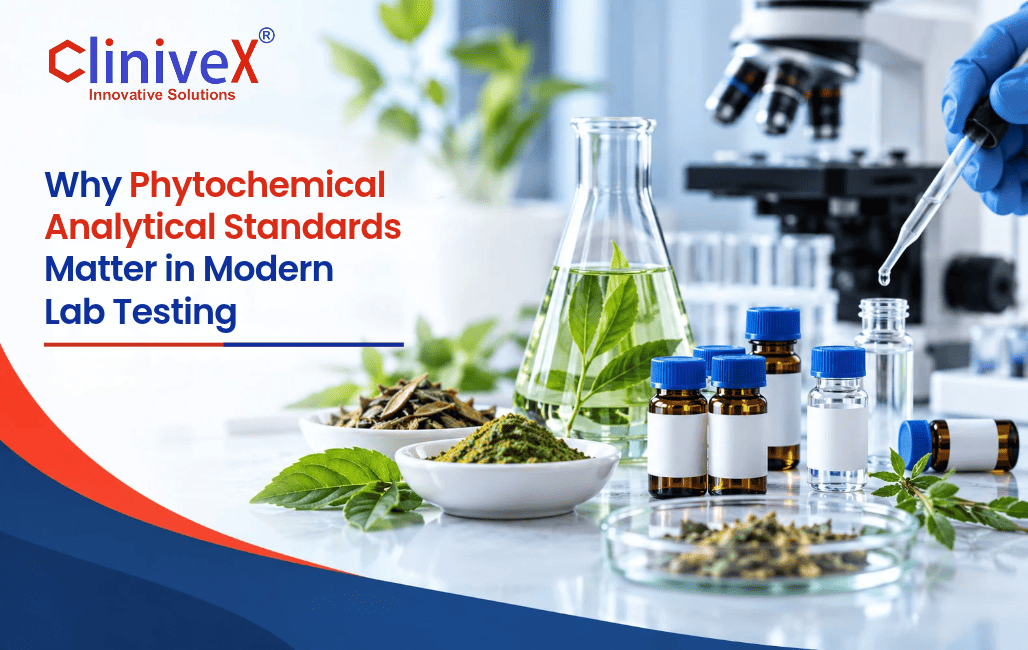

In today’s scientific landscape, labs are expected to deliver results that are accurate, traceable, reproducible, and defensible. However, scientists cannot rely on guesswork to ensure their test results are dependable and accurate; they need a definitive benchmark to compare their findings against. This is where reference standards become very important.
They give scientists a clearer, more reliable point of comparison to validate their methods and reduce testing errors. As industries shift toward more natural and plant-based products, phytochemical analytical standards have taken on a major role in modern testing environments. These standards ensure that the laboratory findings remain more credible, compliant, as well as consistently reproducible.
In this blog, we will explain why phytochemical analytical standards are so essential in modern laboratory testing.
Understanding Phytochemicals
Phytochemicals are naturally occurring chemical compounds produced by plants to survive, thrive, and defend against biological threats. When isolated, these diverse molecular structures provide critical active biological ingredients for pharmaceuticals, consumer functional foods, and traditional dietary supplements.
Labs require phytochemical reference standards to accurately map these chemical profiles by verifying exact compound identity and absolute purity thresholds.
What Are Analytical Standards?
Analytical reference standards are highly purified, well-characterized compounds used as the baseline for laboratory measurements. They have known purity, composition, and concentration and are used to calibrate instruments, validate analytical methods, and confirm compound identity. In phytochemical research and testing, these standards help reduce uncertainty and enable meaningful comparisons between studies, batches, and laboratories.
Utilizing the certified analytical reference standards helps ensure that measurements are:
- Precise: Multiple measurements of the same sample produce consistent, matching data points.
- Accurate: Results reflect the true identity or concentration of a compound.
- Traceable: The final documentation can be linked back to the internationally validated certified reference materials.
- Comparable: Final results can be reproduced over time and also across laboratories.
Why Phytochemical Standards Are Critical in Modern Testing
Ensuring Method Validation and Compliance
Labs should be able to show regulatory agencies that their analytical methods are consistently accurate and reliable. And utilizing these high-purity standards enables labs to verify that their instruments and methods perform within acceptable limits.
Improving Data Reproducibility
Natural plant compounds vary significantly, making cross-laboratory comparison much more difficult. Using identical reference standards establishes a universal baseline and ensures that research data generated across different locations worldwide remains reproducible and scientifically credible.
Supporting Advanced Analytical Techniques
Modern laboratories rely heavily on technologies like LC-MS, NMR, GC-MS, and high-resolution chromatography. These sophisticated instruments require precise calibration to achieve retention-time consistency, accurate mass detection, and reliable compound identification. Pure standards help labs fully leverage advanced instrumentation.
Enhancing Product Quality and Safety
Inaccurate phytochemical measurements can lead to mislabeling, dosage inconsistencies, or even serious safety risks. These chemical standards allow testing teams to accurately measure active ingredients, identify harmful contaminants, and prevent intentional or accidental batch adulteration.
Facilitating Reliable Compound Identification
Botanical extracts contain hundreds of overlapping molecules that are easy to misidentify. These standards provide a highly precise benchmark, allowing scientists to separate target active markers from structural isomers with confidence.
Best Practices for Using Analytical Standards
- Proper Storage: Strictly maintain the temperature, humidity, and light levels as recommended to protect chemical stability.
- Expiration Tracking: Monitor the shelf life of each compound closely and replace outdated materials immediately.
- Documentation: Log every lot number, preparation date, and specific calibration details for full traceability.
- Routine Verification: Use your standards regularly in order to verify that testing instruments are operating correctly.
- Staff Training: Provide regular training so staff understand the precise handling and preparation techniques required.
Conclusion
Phytochemical analytical standards are very critical to maintaining precision, reproducibility, and strict regulatory compliance in modern lab testing. If you are looking for a trusted supplier, Clinivex supplies high-purity, certified reference standards.
related blog
Why Phytochemical Analytical Standards Are So Essential in Modern Laboratory Testing
In today's scientific landscape, labs are expected to deliver results that are accurate, traceable, reproducible,...
The Role of Impurity Reference Standards in Ensuring Drug Safety
Patient health depends entirely on the purity of the treatments healthcare professionals prescribe every day....
Analytical Reference Standards: The Key Benchmarks to Support Method Validation & Calibration
Whenever a laboratory routinely tests new samples, it must prove that its testing procedures are...