


Ensuring Batch Integrity: Effective Ways Phytochemical Standards Improve Quality Control in Nutraceutical Products
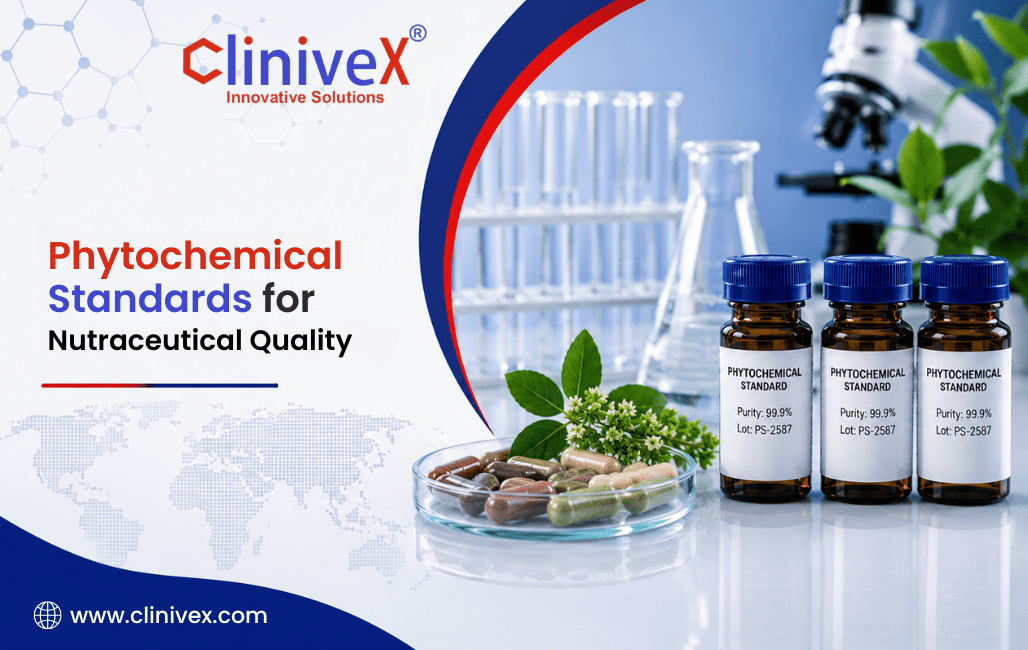

Globally, the nutraceutical market is growing very fast as more consumers choose herbal extracts, plant-based supplements, and functional foods in order to maintain their health. However, delivering safe, effective, and consistent products requires rigorous quality control, especially when working with complex botanical ingredients.
This is where phytochemical reference standards become so important. They provide the scientific standards for verifying the authenticity, potency, and purity of plant-derived products. For nutraceutical manufacturers and analytical laboratories, sourcing only reliable standards from a trusted reference standards supplier in USA is most critical to ensure product integrity and regulatory compliance.
In this blog, we will highlight some effective ways phytochemical reference standards improve quality control in nutraceutical products.
Why Quality Control Is Critical in Nutraceutical Manufacturing
Nutraceuticals often contain complex botanical ingredients with natural variability. Strict quality control ensures the products are reliable, safe, and efficient. Poor quality control can result in:
- Substituted or undeclared ingredients
- A reduction in product effectiveness
- Presence of harmful contaminants
- Incorrect potency levels
- Regulatory violations
Manufacturers can confidently verify product integrity at every level by incorporating phytochemicals into their quality control processes.
How Phytochemical Standards Enhance Quality Control?
1. Accurate Identification of Active Compounds
Botanical extracts may contain hundreds of chemical components. It is vital to ensure the presence of the appropriate active chemicals. Using phytochemical standards ensures that nutraceutical products contain the right ingredients as indicated on the label.
2. Ensuring Batch-to-Batch Consistency
Consistency is very crucial to achieving product effectiveness and consumer trust. Therapeutic benefits may vary depending on active ingredient levels. Manufacturers can deliver reliable performance by comparing the production batches against these standards.
3. Detection of Adulteration and Contaminants
Adulteration is one of the most significant concerns in the herbal supplement industry. Synthetic additives or cheap substitutes can be added accidentally or intentionally. These standards help in detecting ingredient substitution, synthetic chemical additions, toxic contaminants, etc.
4. Supporting Regulatory Compliance
In order to prove that their products are safe, properly labeled, and regularly produced, nutraceutical manufacturers must comply with regulatory requirements. Validation methods based on phytochemical standards help in ensuring compliance with global quality standards.
5. Enhancing Analytical Accuracy in Laboratory Testing
Precise calibration is often very important for accurate measurement in modern analytical techniques. Phytochemical standards help in improving method validation, calibration accuracy, quantitative measurement precision, and reproducibility of results.
Conclusion
Ensuring the quality and consistency of nutraceutical products is both a scientific necessity as well as a strict regulatory requirement. Clinivex provides certified phytochemical standards to ensure purity, traceability, and regulatory compliance.
related blog
Analytical Reference Standards: The Key Benchmarks to Support Method Validation & Calibration
Whenever a laboratory routinely tests new samples, it must prove that its testing procedures are...

The Role of Reference Standards Suppliers in Meeting Reagent Purity Standards
Chemical reagents are the hidden backbone of scientific research, manufacturing, and quality testing. Whether it...
Stable Isotope Labelled Standards: Investing in High-Purity Material for Modern Scientific Research
Science and technology are moving incredibly faster than ever before. Today, the researchers are discovering...